
Articles
Castor Oil Packs: Traditional External Use and When to See Your Provider
Jun
Come on in, family. Today we’re talking about an old-school ritual a lot of you have asked me about: the castor oil pack.
Castor oil packs have been part of home self-care traditions for generations. In this guide, I’ll walk you through what castor oil is, how people traditionally make and use a pack, how to stay safe, and, just as important, when to put the pack down and call your provider.
What Is Castor Oil?
Castor oil is a thick, pale-yellow oil pressed from the seeds of the castor plant (Ricinus communis). It’s been used in many cultures for a very long time, in skin care, hair care, and home rituals.
You’ll know it when you feel it. It’s thick and sticky, much heavier than olive or coconut oil. A little goes a long way.
What Is a Castor Oil Pack?
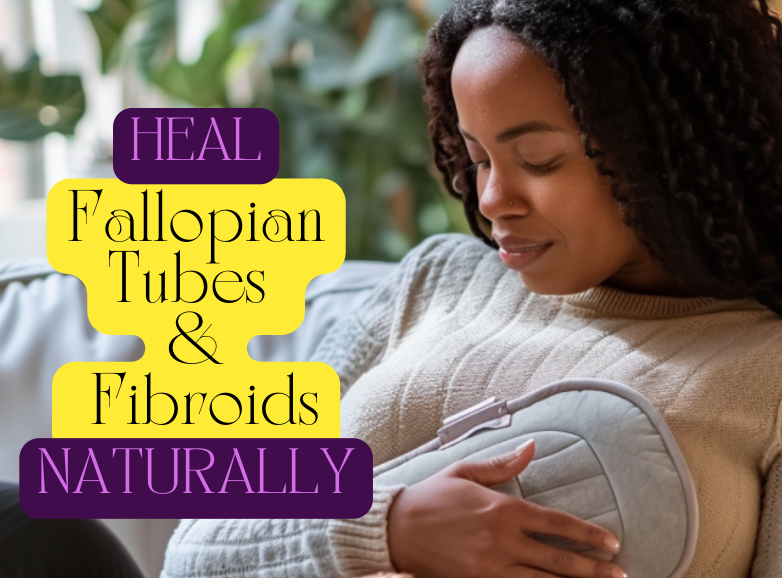
A castor oil pack is a piece of soft cloth soaked in castor oil, laid on the skin, and usually covered and kept warm. In folk tradition, people place it on the belly or another area, then rest for a while.
Many people enjoy it as a quiet, slow-down ritual. The warmth, the stillness, and the time set aside to rest are a big part of why folks love it.
Teachers in the natural wellness community, including Queen Afua in her book Sacred Woman, have long written about castor oil packs as part of women’s self-care traditions. That’s tradition, and I respect it. But I want to be straight with you: there isn’t good evidence that a castor oil pack changes fibroids, opens fallopian tubes, or helps you get pregnant. Those are medical questions for your provider.
What You’ll Need
- Cold-pressed castor oil (check the label says it’s for external use)
- A piece of soft cotton or wool flannel, folded to cover the area
- A sheet of plastic wrap or an old towel you don’t mind staining
- A heating pad or hot water bottle (optional)
- An old T-shirt or towel, because castor oil stains
How to Make a Castor Oil Pack, Step by Step
- Patch test first. The day before, rub a small dab of castor oil on your inner arm. Wait 24 hours. If you see redness, itching, or a rash, don’t use it.
- Get comfy. Lie down on an old towel in a warm, quiet spot.
- Oil the cloth. Pour enough castor oil on the flannel so it’s damp, not dripping.
- Lay it on your skin. Place the cloth on your belly (or the area you’ve chosen).
- Cover it. Lay plastic wrap or a towel over the cloth to protect your clothes.
- Add gentle warmth, if you like. Put a heating pad on low, or a warm (not hot) water bottle, on top. Never fall asleep with a heating pad on.
- Rest. Many people rest 30 to 60 minutes. Read, pray, breathe, or listen to soft music.
- Clean up. Take the pack off, and wipe your skin with a warm, damp cloth. A little baking soda in warm water can help cut the oil.
- Store the cloth. Put it in a sealed container or zip bag in the fridge between uses. Replace it if it smells off or changes color.
Little nugget: Wear your oldest T-shirt. Castor oil is the stickiest oil in the cabinet, and it’ll stain anything it touches.
Safety: Please Read Before You Try It
- External use only. Castor oil packs go on the outside of the body. Don’t swallow castor oil unless your provider tells you to.
- Skip it if you’re pregnant or trying to get pregnant, unless your provider says it’s okay.
- Don’t use on broken, irritated, or infected skin, or on a fresh surgical scar.
- Watch the heat. Use low settings. Check your skin every 10 to 15 minutes. People with diabetes, nerve problems, or poor feeling in the skin should be extra careful with heating pads, and should ask their provider first.
- Stop if anything feels wrong, like a rash, burning, itching, or pain.
- Keep it away from kids and pets.
When to See Your Provider
This is the most important section, family. A castor oil pack is a self-care ritual. It is not a way to check or fix what’s going on inside your body.
About fibroids
The U.S. Office on Women’s Health (womenshealth.gov) explains:
- Fibroids are muscular growths in the wall of the uterus. They’re almost always not cancer.
- Many women with fibroids have no symptoms.
- African American women are more likely to develop fibroids than white women. That’s a big reason to know your body and keep up with checkups.
- Possible symptoms include heavy or painful periods, a feeling of fullness in the lower belly, peeing often, pain during sex, and lower back pain.
- Your doctor can find fibroids with a pelvic exam and imaging tests, like an ultrasound.
There are a lot of options your doctor can talk with you about, depending on your symptoms and whether you want to get pregnant in the future.
About fertility and fallopian tubes
If you’ve been trying to get pregnant, or you’ve been told you may have a blocked tube, please see your OB-GYN or a fertility specialist. Your provider can order tests to see what’s happening. That information helps you make the right choices for you.
Call your provider soon if you notice:
- Very heavy bleeding, or bleeding between periods
- Periods that suddenly change
- Pelvic pain that’s new, getting worse, or doesn’t go away
- Pain during sex
- Trouble getting pregnant
- Feeling very tired, dizzy, or short of breath (heavy bleeding can cause low iron)
Get emergency care right away for sudden, severe belly or pelvic pain, especially if you could be pregnant.
Questions to bring to your visit
The Office on Women’s Health suggests questions like these if you have fibroids:
- How many fibroids do I have, and how big are they?
- Where are they?
- Can I expect them to grow?
- What problems can they cause?
- What are my options if they become a problem?
Write them down and bring your notebook. And ask your provider if a castor oil pack is okay for you.
Everyday Habits That Support Women’s Wellness
These are general habits, not a fix for any condition:
- Eat plenty of green vegetables, fruits, beans, and whole grains.
- Go easy on red meat and processed meats like ham.
- Move your body most days.
- Drink water through the day.
- Rest. Protect your sleep.
- Keep your checkups. Regular pelvic exams matter.
The Office on Women’s Health notes that eating a lot of red meat and ham is linked with a higher risk of fibroids, and that eating plenty of green vegetables seems to be linked with lower risk. That’s an association, not a guarantee, but it’s another good reason to load up on greens.
Frequently Asked Questions
Can a castor oil pack shrink fibroids?
We don’t make that claim, and there isn’t good evidence for it. Please talk to your provider about fibroids.
Can castor oil packs open blocked fallopian tubes?
No claim here either. A provider can test your tubes and talk with you about options.
Is it safe to use a castor oil pack while pregnant?
Don’t use one while pregnant or trying to conceive unless your provider says it’s okay.
How often do people use castor oil packs?
It varies by tradition. Many people use one a few times a week as a rest ritual. Stop if your skin gets irritated.
Can I reuse the cloth?
Many people do, for a while. Store it sealed in the fridge, and replace it when it looks or smells off.
Make Your Rest Time a Ritual
A warm, caffeine-free tea makes your rest time feel even more like self-care. Try the Golden Glow Herbal Tea Blend, with chamomile, ginger, lemongrass, apple, lemon, and Ceylon cinnamon. Or build your own custom herbal tea with a calm base like chamomile or lemon balm.
We’re at 8110 W Peoria Ave, Ste 103, Peoria, AZ 85345, Tuesday through Friday, 10:30am to 5:30pm, and Saturday, 9am to 2pm. Share this with the women in your family. Ain’t no gatekeeping over here.
Mother nature is your gift to healthy living.
These statements have not been evaluated by the Food and Drug Administration. This product is not intended to diagnose, treat, cure, or prevent any disease. This article is for general education and is not medical advice.
