
Articles
Raw Honey: Kitchen Uses, Tea Tips, and Safety Basics
Apr
Come on in, family. Let’s talk about something sweet that’s been on kitchen tables for thousands of years: honey.
At the tea bar, honey is one of the most common things people ask about. “How much should I add?” “Why did my honey turn hard?” “Is raw honey different?” Let’s walk through it, nice and simple.
What Is Raw Honey?
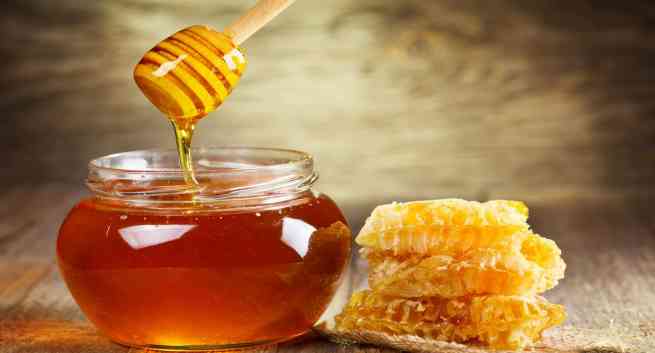
Honey is made by bees from flower nectar. Raw honey usually means honey that hasn’t been heated much or finely filtered. It often looks a little cloudy and may have bits of pollen or wax in it. Regular store honey is often heated and filtered so it stays clear and runny longer.
There’s no single legal definition of “raw” on every label, so read the label and buy from a beekeeper or brand you trust.
Honey comes in many flavors
The flowers the bees visit change the taste and color:
- Clover: light, mild, and classic
- Orange blossom: light and a little citrusy
- Wildflower: varies by season, often rich and floral
- Buckwheat: dark, strong, and almost molasses-like
- Mesquite: a Southwest favorite, warm and smooth (look for local Arizona honey at farmers markets)
Little nugget: Light honeys are best for delicate teas like chamomile. Darker, stronger honeys stand up to bold, spicy teas with ginger and cinnamon.
How to Use Honey in Your Tea
- Let the tea cool a little first. Add honey once your tea is warm, not boiling. It blends in easily, and the flavor of the honey comes through better.
- Start small. Try ½ teaspoon in an 8 oz cup. Taste, then add more if you need it.
- Stir well. Honey is thick and can sit at the bottom.
- For iced tea, stir honey into a little hot water first to make a quick honey syrup, then add it to your cold tea. Cold tea and thick honey don’t mix well.
Honey + Ceylon cinnamon: a classic pairing
Honey and cinnamon taste great together. Stir a pinch of ground cinnamon into honey and drizzle it on toast, oatmeal, or fruit.
If you use cinnamon a lot, know your types. The National Center for Complementary and Integrative Health (NCCIH) explains that Ceylon cinnamon is often called “true” cinnamon and grows mostly in Sri Lanka, while cassia cinnamon is the most common kind sold in North America. At 4 Cycles of Life, we use Ceylon cinnamon in our blends. NCCIH also notes that cinnamon in larger amounts can upset some people’s stomachs, so enjoy it as a flavor, not by the spoonful.
Other Ways to Use Honey in the Kitchen
- Drizzle on oatmeal or yogurt.
- Whisk into salad dressing. Honey, lemon juice, olive oil, mustard, salt, and pepper.
- Glaze roasted carrots or sweet potatoes. Toss with a little honey, olive oil, and a pinch of salt before roasting.
- Sweeten a smoothie. A teaspoon goes a long way.
- Bake with it. Honey can replace some sugar in recipes, but it’s sweeter and wetter, so you’ll usually need a little less, and a little less liquid too.
- Make a warm honey-lemon drink. Warm water, a squeeze of lemon, and a spoonful of honey. Simple and cozy.
Why Did My Honey Turn Hard?
That’s called crystallization, and it’s totally normal. Raw honey crystallizes faster than heated honey. It doesn’t mean your honey went bad.
To soften it:
- Set the jar (glass only, lid loosened) in a bowl of warm water.
- Let it sit 10 to 15 minutes, stirring now and then.
- Refresh the warm water as needed.
Don’t microwave it on high or boil it. Gentle, slow warmth is the move. Some folks actually prefer crystallized honey because it spreads like butter.
How to Store Honey
- Keep it in a sealed jar at room temperature.
- Keep it away from heat and direct sun.
- Use a clean, dry spoon every time. Water and crumbs can spoil honey.
- Don’t refrigerate it. Cold makes it crystallize faster.
Safety Basics: Please Read
Never give honey to babies under 12 months
This is the most important safety point on this page. The CDC says honey given to children younger than 12 months may cause a severe food poisoning called botulism. Do not give your baby honey before 12 months. The CDC also says not to add honey to a baby’s food, water, formula, or pacifier. That includes raw honey and honey in baked goods or other products.
Share this one with every new parent, grandparent, and babysitter you know.
Honey is still sugar
Honey is natural, but it’s still a sugar. It affects blood sugar like other sweeteners. If you have diabetes or prediabetes, count honey as part of your carbs and talk to your doctor or dietitian about how much fits your plan.
Other good habits
- If you have allergies to bees, pollen, or bee products, ask your provider before trying raw honey.
- Don’t use honey in place of anything your provider recommends.
- Brush your teeth. Honey is sticky and sweet, just like other sugars.
Frequently Asked Questions
Is raw honey better than regular honey?
Raw honey is less processed and often has a richer flavor. Choose the one you enjoy. Both are sweeteners, so use them in small amounts.
Can babies have raw honey?
No. The CDC says not to give any honey to children younger than 12 months.
Why is my honey cloudy?
Raw honey often looks cloudy because it isn’t finely filtered. It may also be starting to crystallize. Both are normal.
Does honey go bad?
Stored sealed and dry, honey keeps a long time. If it smells sour, foams, or has mold, throw it out.
How much honey should I put in my tea?
Start with ½ teaspoon per 8 oz cup and adjust to taste.
Sweeten Your Next Cup
Honey and herbal tea are old friends. Try a drizzle in the Golden Glow Herbal Tea Blend, with chamomile, ginger, lemon, and Ceylon cinnamon. Or stir a little honey syrup into iced Ruby Sunrise Herbal Tea Blend. Want to make your own? Build your own custom herbal tea and pick your Base, Support, and Flavor. It ain’t rocket science, and it’s a whole lot of fun.
Come see us at 8110 W Peoria Ave, Ste 103, Peoria, AZ 85345, Tuesday through Friday, 10:30am to 5:30pm, and Saturday, 9am to 2pm.
Mother nature is your gift to healthy living.
These statements have not been evaluated by the Food and Drug Administration. This product is not intended to diagnose, treat, cure, or prevent any disease. This article is for general education and is not medical advice.
