
Articles
Bloating After Eating: Common Causes and What Helps
Oct
Peace and blessings, family. Herbalist Kareem here. That tight, full, “unbutton-my-pants” feeling after a meal is one of the most common things people search for. Almost everybody feels it sometimes. Today we’ll look at why it happens, simple habits that may help, and what real human studies say about the herbs our elders reached for after dinner: peppermint, ginger and fennel.
Why Bloating Happens
Bloating is that sense of pressure or fullness in your belly. Common everyday causes include:
- Eating fast or big portions. Gulping food means swallowing air, and a very full stomach simply stretches.
- Gas from food. Beans, onions, cabbage, some fruits and sugar alcohols (like sorbitol) are fermented by gut bacteria, which makes gas. These foods are healthy; your body may just need time to adjust.
- Carbonated drinks and chewing gum. More swallowed air.
- Slow stomach emptying. For some people, food just moves along more slowly.
- Food sensitivities. Lactose and certain carbohydrates bother some people more than others.
- A sensitive gut. People with irritable bowel syndrome (IBS) often feel bloating more strongly.
Simple Habits That May Help
- Slow down. Put the fork down between bites and chew well.
- Eat smaller meals more often if big meals bother you.
- Add high-fiber foods gradually, with plenty of water.
- Take a gentle 10 to 15 minute walk after eating.
- Keep a two-week food and symptom note to spot your personal triggers.
A Little History
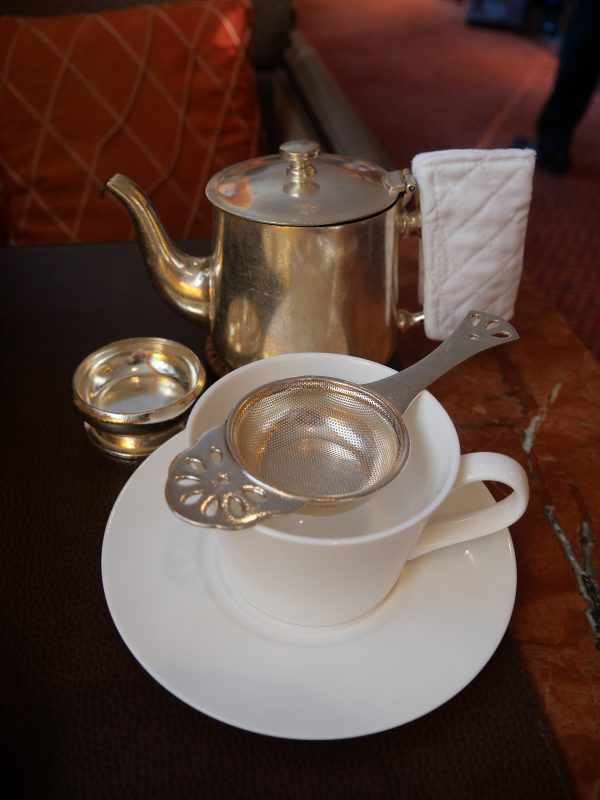
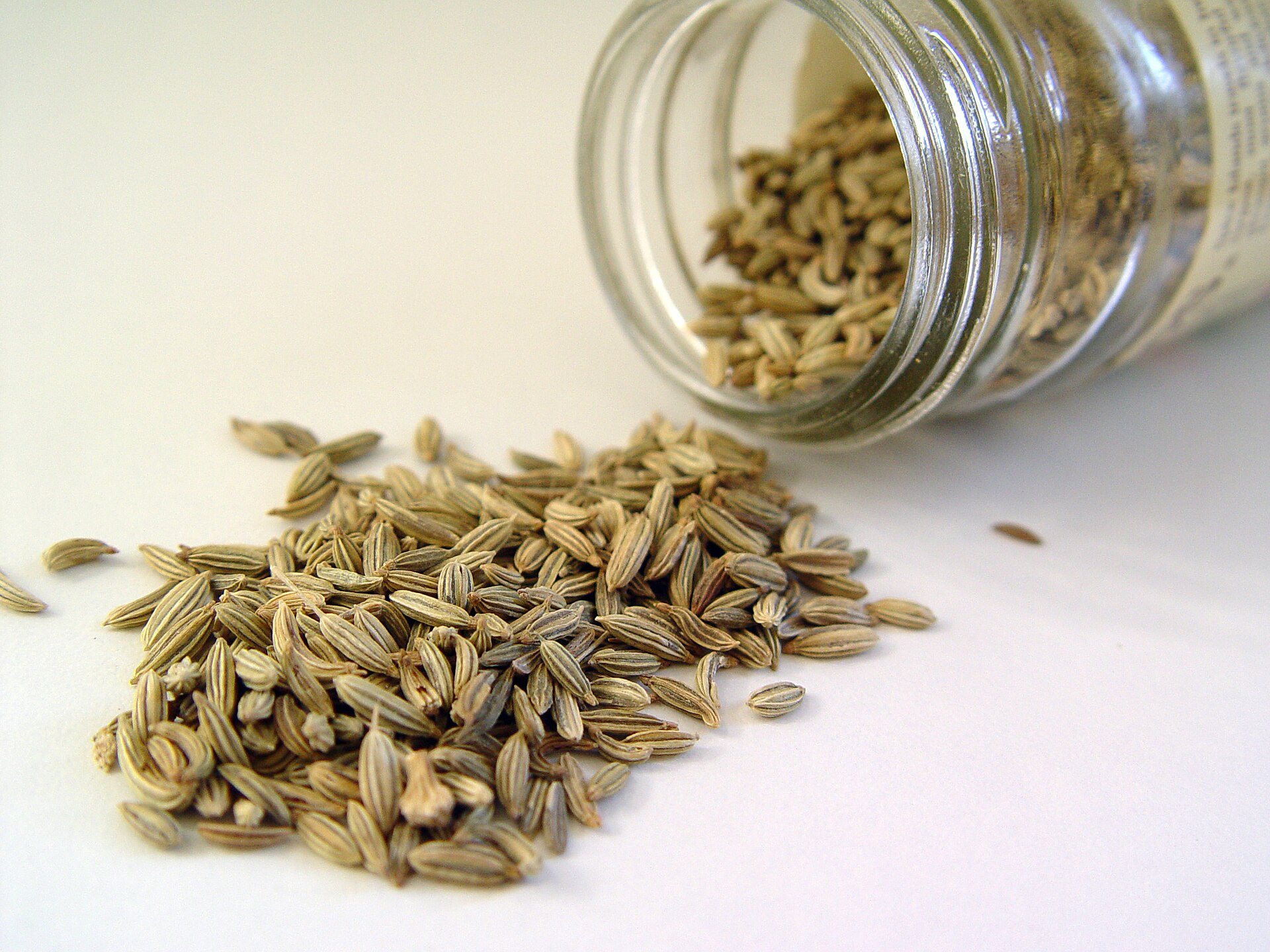
In India, a small bowl of fennel seeds (saunf) often sits by the door of restaurants to chew after a meal. In North Africa and the Middle East, mint tea follows dinner. Across Asia and the Caribbean, ginger is a kitchen staple for the belly. Different peoples, same idea: help the meal settle. Let’s see what science has found.
What the Research Says
All four studies below are in PubMed, linked at the bottom.
1. International: peppermint oil meta-analysis (2019). A team from Johns Hopkins (USA), Saudi Arabia and Australia pooled 12 randomized trials with 835 adults with IBS. Peppermint oil capsules were linked with better overall symptom relief and less belly pain than placebo, and side effects were similar to placebo. Limits: this was about IBS, and it used enteric-coated capsules, not tea. (Alammar et al., 2019)
2. Italy: peppermint oil and bloating (2007). At a university in Chieti-Pescara, 57 adults with IBS (after other causes were ruled out) took enteric-coated peppermint oil or placebo for 4 weeks. Symptoms measured included bloating. 75% of the peppermint group had their total symptom score cut by more than half, compared with 38% of the placebo group. Limits: small, and capsules, not tea. (Cappello et al., 2007)
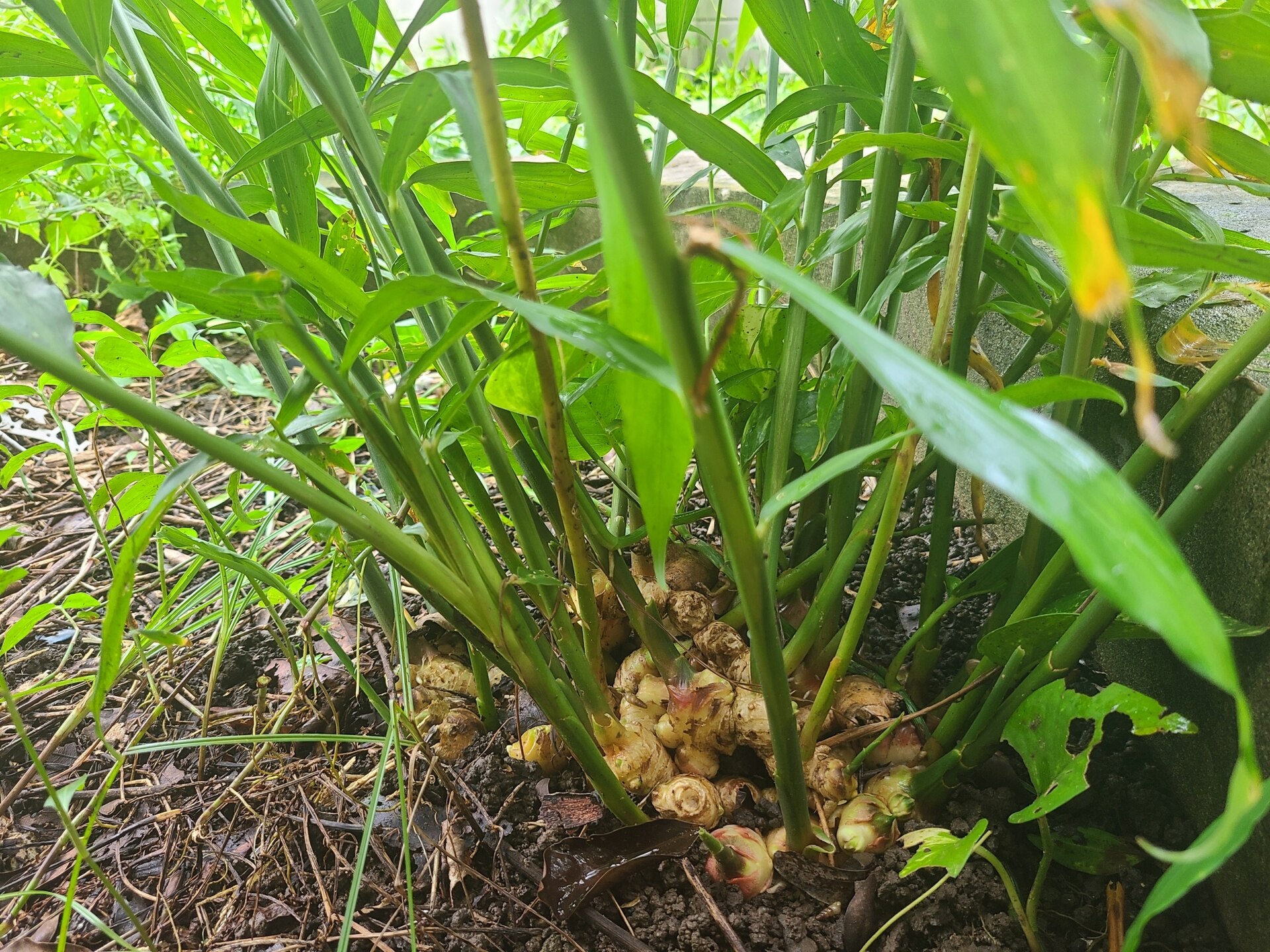
3. Taiwan: ginger and stomach emptying (2011). At Chang Gung Memorial Hospital, 11 people with functional dyspepsia (ongoing upper-belly discomfort) took ginger capsules (1.2 g) or placebo before a soup meal. Their stomachs emptied faster after ginger. Limits: very small, and interestingly, how people felt (fullness, bloating) did not change in this single test. Honest research shows both sides. (Hu et al., 2011)
4. Brazil: a fennel and anise herbal tea (2010). This one used a real tea. In Porto Alegre, 20 adults with chronic constipation drank a traditional Brazilian tea of anise, fennel, elderflower and senna, or a placebo tea, for 5 days each. Food moved through the gut much faster with the herbal tea (about 16 hours vs 42 hours). Limits: small, and the senna in this blend is a strong laxative, so the effect can’t be credited to fennel alone. (Picon et al., 2010)
The honest bottom line: research suggests peppermint oil may support belly comfort, especially for people with IBS, and ginger may help the stomach empty. Most studies used capsules, not tea, and many were small. Gentle after-meal teas are a comforting ritual that fits nicely with the habits above.
My After-Meal Tea Ritual
- After dinner, steep 1 to 2 teaspoons of peppermint, fennel and/or ginger in 8 ounces of hot water, covered, for 5 to 10 minutes.
- Sip it slowly, seated, not lying down.
- Pair it with a short, easy walk.
My After Meal Comfort Herbal Tea Blend brings together peppermint, fennel, ginger, cinnamon, orange peel and licorice for exactly this moment. It’s naturally caffeine-free.
When to See a Provider
Bloating is usually harmless, but see a healthcare provider promptly if you have:
- Bloating that is new, constant, or getting worse, especially after age 50.
- Unexplained weight loss, vomiting, blood in your stool, black stool, fever, or severe belly pain.
- Changes in your bowel habits that last more than a few weeks.
- Trouble swallowing, or feeling full after only a few bites.
Who should check first before using these herbs: peppermint can make heartburn or reflux worse for some people. Licorice can raise blood pressure and interact with some medicines. Ginger may interact with blood thinners. If you’re pregnant, nursing, or take prescription medicine, talk with your provider first.
FAQ
Why do I get bloated after every meal?
Common reasons include eating fast, large portions, gas-producing foods and fizzy drinks. If it happens daily or with other symptoms, talk with your provider.
Is peppermint tea as strong as peppermint oil capsules?
Probably not. The studies mostly used concentrated, enteric-coated capsules, so tea is gentler.
Which tea is best for bloating?
Peppermint, ginger and fennel are the traditional favorites, and they have the most human research behind them.
Can I drink after-meal tea every day?
Many people do. If you have reflux, high blood pressure, or take medication, check with your provider first.
Want to build your own after-dinner cup? Visit our tea store & herbal shop in Peoria, AZ, or make a custom herbal tea blend online by picking 1–2 Base herbs, 1–3 Support herbs and 1–2 Flavor herbs (3 to 7 herbs in all), like peppermint or fennel seed for flavor. Steep loose-leaf herbal tea covered for 5 to 10 minutes, using 1 to 2 teaspoons per cup.
Give Thanks
Much love and thanks to Tony Pantalleresco for the plant wisdom he’s shared with so many of us. Eat slow and be well, family.
— Herbalist Kareem
These statements have not been evaluated by the Food and Drug Administration. This content and these products are not intended to diagnose, treat, cure, or prevent any disease. This article is for education only and is not medical advice. Talk with your healthcare provider before using herbs, especially if you are pregnant, nursing, or take prescription medications.
References
- Alammar N, et al. The impact of peppermint oil on the irritable bowel syndrome: a meta-analysis of the pooled clinical data. BMC Complement Altern Med. 2019. USA/Saudi Arabia/Australia. PubMed 30654773 · doi:10.1186/s12906-018-2409-0
- Cappello G, et al. Peppermint oil (Mintoil) in the treatment of irritable bowel syndrome: a prospective double blind placebo-controlled randomized trial. Dig Liver Dis. 2007. Italy. PubMed 17420159 · doi:10.1016/j.dld.2007.02.006
- Hu ML, et al. Effect of ginger on gastric motility and symptoms of functional dyspepsia. World J Gastroenterol. 2011. Taiwan. PubMed 21218090 · doi:10.3748/wjg.v17.i1.105
- Picon PD, et al. Randomized clinical trial of a phytotherapic compound containing Pimpinella anisum, Foeniculum vulgare, Sambucus nigra, and Cassia augustifolia for chronic constipation. BMC Complement Altern Med. 2010. Brazil. PubMed 20433751 · doi:10.1186/1472-6882-10-17
Image Credits
- Peppermint tea: Peachyeung316, CC BY-SA 4.0, Wikimedia Commons
- Fennel seeds: Holly Cheng, CC BY-SA 3.0, Wikimedia Commons
- Ginger plant: ritirene, CC BY 4.0, Wikimedia Commons
