
Articles
Hibiscus Tea and Heart Health: What the Clinical Studies Say
Oct
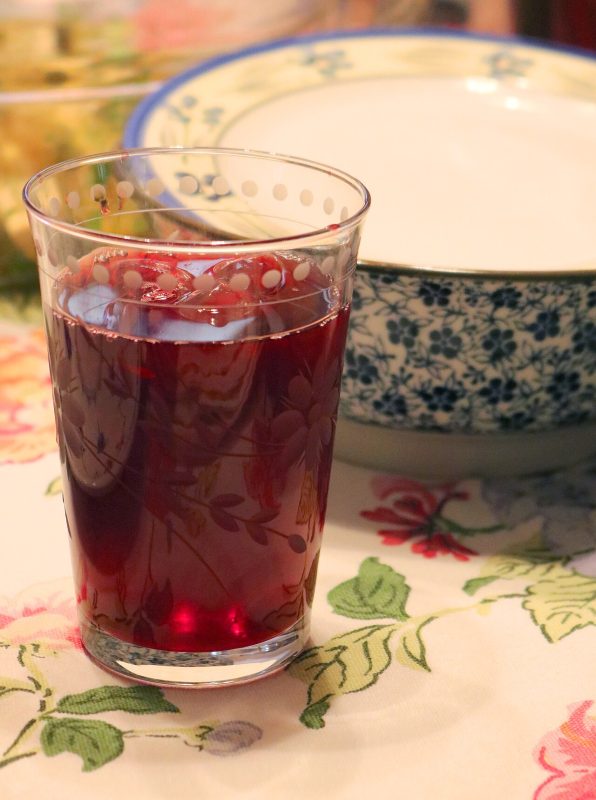
Peace and blessings, family. Herbalist Kareem here. If you’ve been to the tea bar in Peoria, you’ve seen that deep ruby color in a glass and heard me say, “That’s hibiscus.” Folks from West Africa, the Caribbean, Mexico, Egypt and Iran have been sipping this flower for generations. In Egypt it’s karkadé, in Mexico it’s agua de jamaica, and in Iran they call it sour tea.
You asked me to back up what I share with real research, so in this post I’m walking you through six published human studies from around the world. I’ll tell you what they found and where they fall short, because you deserve the honest picture.
What Hibiscus Tea Is
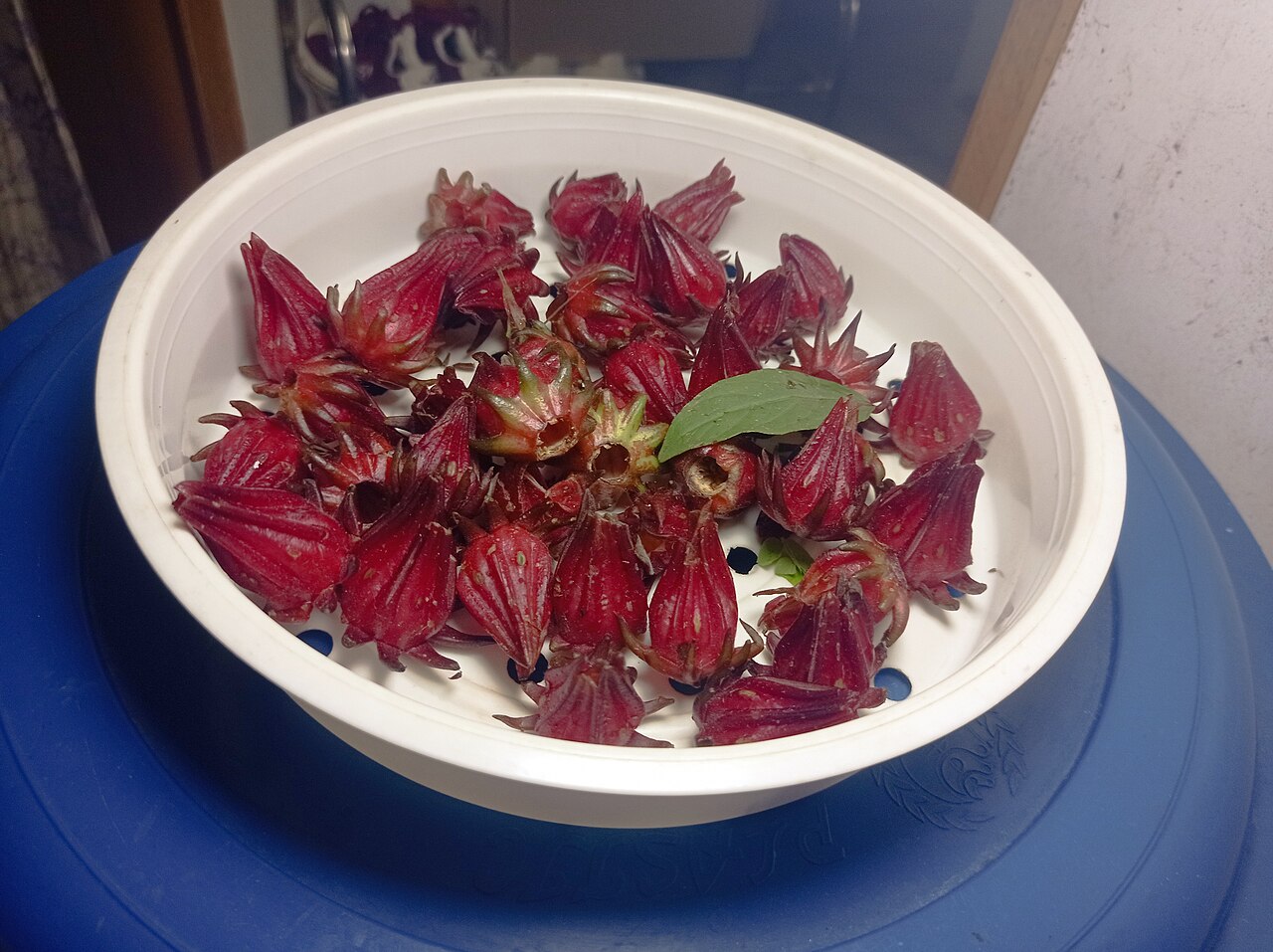
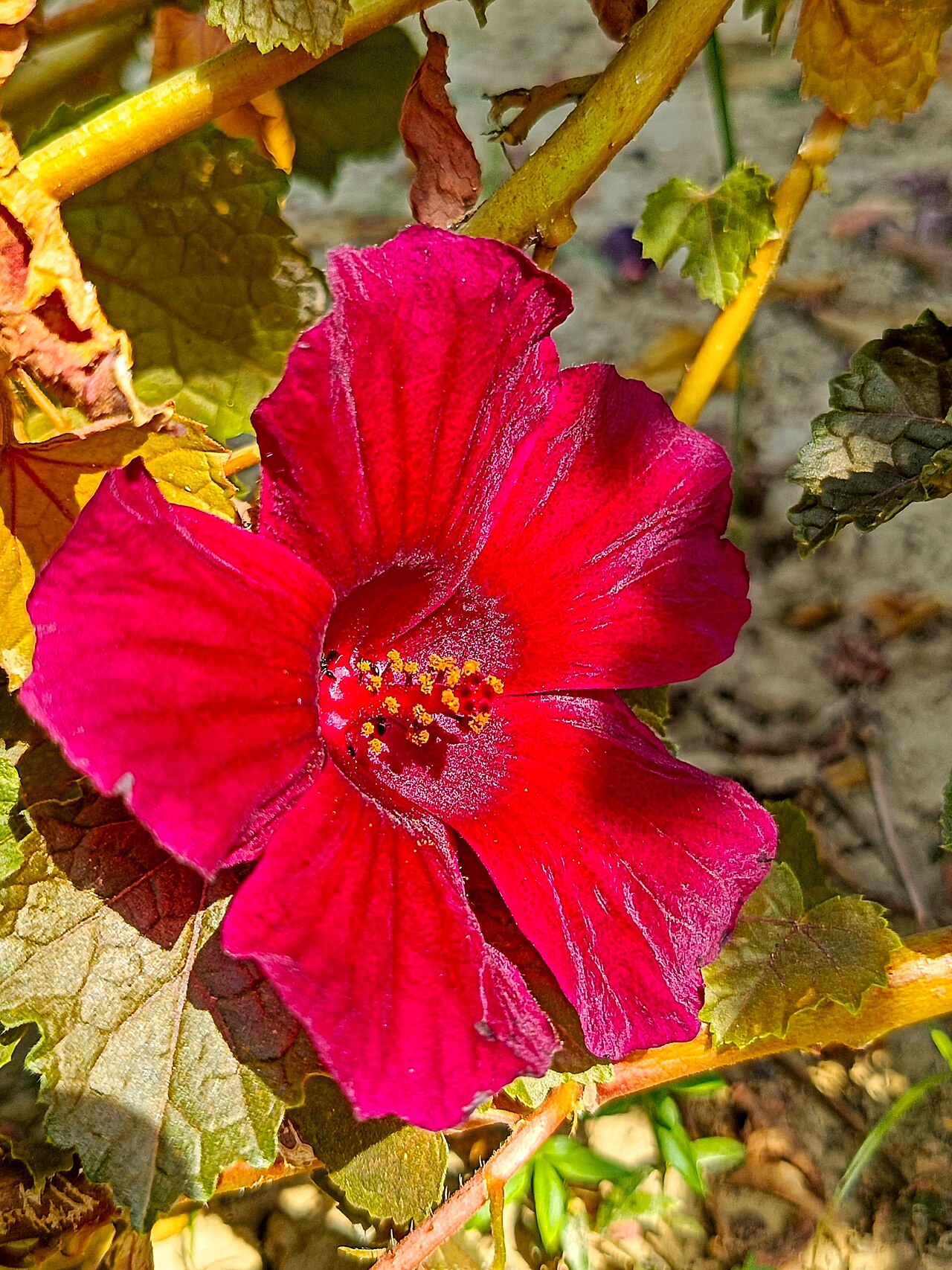
The tea comes from the dried calyces of Hibiscus sabdariffa, also called roselle. The calyces are the fleshy red cups around the flower. They’re rich in plant compounds called anthocyanins and other polyphenols, which give the tea its color and tart, cranberry-like taste.
Your Heart and Circulation, in Plain Words
Your heart pumps blood through miles of vessels, and blood pressure is the force of that blood against the vessel walls. Daily habits matter a lot here: eating plenty of plants, moving your body, sleeping well, managing stress, and watching salt. Hibiscus tea is not a replacement for any of that, or for anything your doctor has you on. Think of it as one supportive cup in a heart-friendly lifestyle.
What the Research Says
Here’s the part you asked for. All six studies below are in PubMed, and I’ve linked each one so you can read it yourself.
1. USA: a placebo-controlled trial at Tufts University (2010). Researchers gave 65 adults, ages 30 to 70, with blood pressure in the upper-normal to mildly elevated range, either three 8-ounce cups of hibiscus tea a day or a placebo drink for 6 weeks. None were on blood pressure medicine. The hibiscus group’s systolic (top) number dropped about 7 points compared with about 1 point for placebo. The bottom number did not differ significantly from placebo. People who started higher saw bigger changes. Limits: small group, short time. (McKay et al., 2010)
2. Iran: sour tea study in Tehran (1999). 54 adults were split into a sour tea group (31) and a control group (23) for about two weeks. Readings in the hibiscus group came down by roughly 11% (top) and 10–11% (bottom), and went back up within three days of stopping. Limits: small, short, and the report gives few details on how randomization and blinding were done. (Haji Faraji & Haji Tarkhani, 1999)
3. Mexico: hibiscus compared with a common medicine (2004). At the Mexican Institute of Social Security, 75 adults (after dropouts from 90) drank a standardized hibiscus infusion each morning or took the drug captopril for 4 weeks. Both groups ended with similar readings and both were well tolerated. Limits: only 4 weeks, and this does not mean anyone should swap a prescription for tea. Never stop or change a medicine without your provider. (Herrera-Arellano et al., 2004)
4. Iran: hibiscus vs. black tea in adults with type 2 diabetes (2009). In Yazd, 60 adults with mildly elevated readings, not on blood pressure or cholesterol medicine, drank either sour tea or black tea twice a day for a month. Average systolic numbers in the hibiscus group went from about 134 to about 113, a bigger change than with black tea. Limits: one month, one city, one group of people. (Mozaffari-Khosravi et al., 2009)
5. Saudi Arabia: a systematic review (2010). A team at King Saud University in Riyadh reviewed 4 randomized trials with 390 people. Hibiscus did better than black tea in those comparisons, but most of the trials were short and low quality, and the reviewers concluded the evidence was not yet reliable enough to recommend hibiscus on its own. I’m including this one on purpose. It keeps us honest. (Wahabi et al., 2010)
6. Romania, Iran, Poland and Australia: a meta-analysis (2015). An international team pooled 5 randomized trials with 390 people. On average, hibiscus groups saw about 7.6 points lower systolic and about 3.5 points lower diastolic than control groups, with bigger changes in people who started higher. Limits: only 5 trials, and the authors called for larger, better-designed studies. (Serban et al., 2015)
The honest bottom line: studies from four continents suggest that daily hibiscus tea may help support healthy blood pressure already within the normal range, as part of a heart-healthy lifestyle. But the trials are mostly small and short, quality varies, and more research is needed. That’s the truth, and I’d rather give you that than hype.
How I Enjoy Hibiscus
Most of the studies used roughly 1 to 3 cups a day. Here’s my simple way:
- Steep 1 to 2 teaspoons of dried hibiscus (or a blend) in 8 ounces of just-boiled water for 5 to 10 minutes.
- Sweeten lightly with a little date syrup or maple if you like. Keep it plant-based.
- On hot Arizona days, brew it strong, chill it, and pour over ice with a slice of orange.
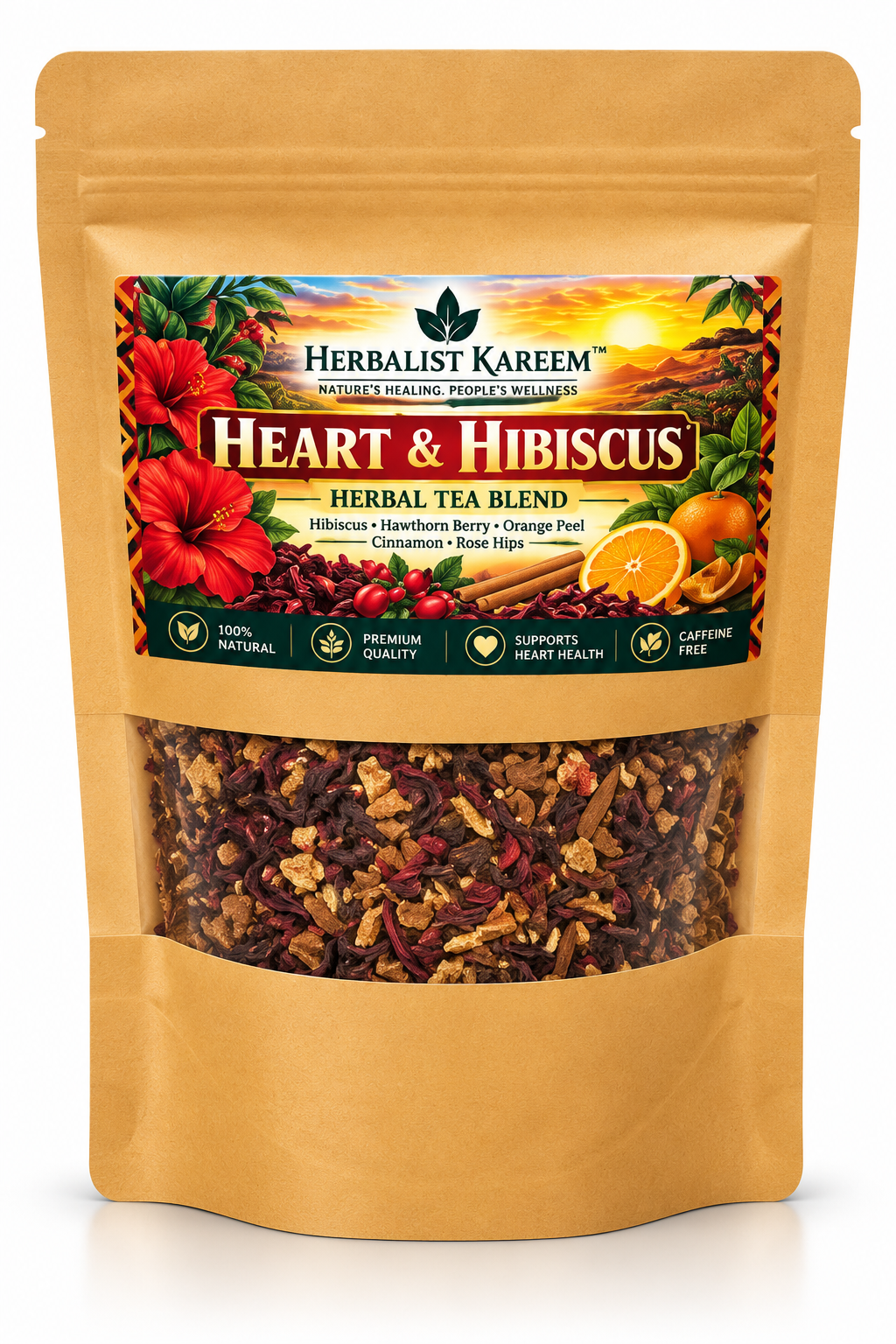
If you want it ready to go, my Heart & Hibiscus Herbal Tea Blend is a loose-leaf hibiscus herbal tea blend that pairs hibiscus with hawthorn berry, orange peel, cinnamon and rose hips. For a fruity, caffeine-free morning cup, Ruby Sunrise Herbal Tea Blend is a rooibos hibiscus loose-leaf tea that brings hibiscus together with rooibos, apple, orange and Ceylon cinnamon.
Who Should Talk With a Provider First
Please check with your healthcare provider before adding hibiscus regularly if you:
- Take blood pressure medicine, diuretics (“water pills”), diabetes medicine, or any prescription. Hibiscus may add to the effect of some of these.
- Are pregnant, trying to conceive, or breastfeeding.
- Already run low blood pressure or have kidney concerns.
- Have a surgery coming up.
FAQ
How much hibiscus tea did the studies use?
Most used about 1 to 3 cups a day, or a measured amount of dried calyces, for 2 to 6 weeks.
Can I drink hibiscus tea instead of my blood pressure medicine?
No. Please don’t stop or change any medicine on your own. Talk with your provider about whether hibiscus tea fits your routine.
Does hibiscus tea have caffeine?
Pure hibiscus is naturally caffeine-free, and so are my Heart & Hibiscus and Ruby Sunrise blends.
Is iced hibiscus tea as good as hot?
The studies used brewed tea, and chilling it after brewing is a common traditional way to enjoy it.
Hibiscus is naturally caffeine-free, so it works any time of day, hot or iced in the Arizona heat. If you’re in the West Valley, come smell a loose-leaf hibiscus herbal tea blend at our tea store & herbal shop in Peoria, AZ, or build your own custom herbal tea blend with hibiscus as your Base.
Give Thanks
Big thanks to my teacher and elder Tony Pantalleresco for the knowledge he’s shared about plants and living well. Stay blessed, stay hydrated, and keep that heart happy.
— Herbalist Kareem
These statements have not been evaluated by the Food and Drug Administration. This content and these products are not intended to diagnose, treat, cure, or prevent any disease. This article is for education only and is not medical advice. Talk with your healthcare provider before using herbs, especially if you are pregnant, nursing, or take blood pressure or other medications.
References
- McKay DL, Chen CY, Saltzman E, Blumberg JB. Hibiscus sabdariffa L. tea (tisane) lowers blood pressure in prehypertensive and mildly hypertensive adults. J Nutr. 2010. USA. PubMed 20018807 · doi:10.3945/jn.109.115097
- Haji Faraji M, Haji Tarkhani A. The effect of sour tea (Hibiscus sabdariffa) on essential hypertension. J Ethnopharmacol. 1999. Iran. PubMed 10404421 · doi:10.1016/s0378-8741(98)00157-3
- Herrera-Arellano A, Flores-Romero S, Chávez-Soto MA, Tortoriello J. Effectiveness and tolerability of a standardized extract from Hibiscus sabdariffa in patients with mild to moderate hypertension: a controlled and randomized clinical trial. Phytomedicine. 2004. Mexico. PubMed 15330492 · doi:10.1016/j.phymed.2004.04.001
- Mozaffari-Khosravi H, et al. The effects of sour tea (Hibiscus sabdariffa) on hypertension in patients with type II diabetes. J Hum Hypertens. 2009. Iran. PubMed 18685605 · doi:10.1038/jhh.2008.100
- Wahabi HA, et al. The effectiveness of Hibiscus sabdariffa in the treatment of hypertension: a systematic review. Phytomedicine. 2010. Saudi Arabia. PubMed 19801187 · doi:10.1016/j.phymed.2009.09.002
- Serban C, Sahebkar A, Ursoniu S, Andrica F, Banach M. Effect of sour tea (Hibiscus sabdariffa L.) on arterial hypertension: a systematic review and meta-analysis of randomized controlled trials. J Hypertens. 2015. Romania/Iran/Poland/Australia. PubMed 25875025 · doi:10.1097/HJH.0000000000000585
Image Credits
- Glass of hibiscus tea: claralieu, CC BY 2.0, Wikimedia Commons
- Roselle calyces: SarKaLay, CC0 (public domain), Wikimedia Commons
- Hibiscus sabdariffa flower: Sanskritidubey, CC BY 4.0, Wikimedia Commons
